Many first-time visitors to Los Angeles head straight for Hollywood Boulevard and leave a little underwhelmed. The stars on the sidewalk are there, along with the TCL Chinese Theatre's handprints, but the boulevard itself is mostly souvenir shops. The city that rewards a visit is spread out across dozens of neighborhoods, each with its own character, from the art museums on the Westside to the taco stands of the Eastside. The key to enjoying it is accepting that LA is not one place: plan your days by area and you'll spend more time seeing things than sitting in traffic.
Downtown: architecture, art and the city's roots
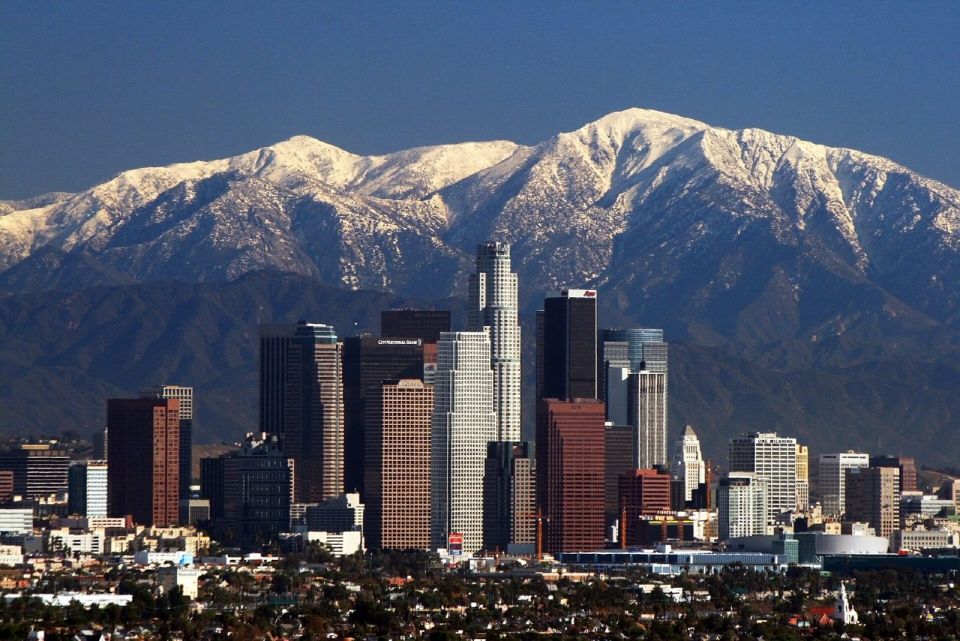
Downtown Los Angeles is where the city began and where some of its best architecture stands. Start at El Pueblo de Los Ángeles and Olvera Street, the historic core near the site of the original 18th-century settlement, then cross to Union Station, a striking mix of Spanish Colonial Revival and Art Deco with a grand waiting room.
On Grand Avenue, Frank Gehry's Walt Disney Concert Hall, home of the Los Angeles Philharmonic, is a sculpture of curved stainless steel; you can walk up to its hidden rooftop garden. Next door, The Broad holds a major collection of postwar and contemporary art, and MOCA is just across the street. For lunch, Grand Central Market on Broadway has been feeding the city for more than a century. Finish in Little Tokyo or the Arts District, with its murals, breweries and converted warehouses.
Griffith Park and the Observatory
Griffith Park is one of the largest urban parks in the country, a wild stretch of the Santa Monica Mountains in the middle of the city. Its best-known landmark is Griffith Observatory, an Art Deco building on the southern slope with free admission to the building and exhibits, telescopes for public viewing and the best view of the Hollywood Sign without hiking right up to it.
Come late in the afternoon and stay for sunset, when the basin lights up below you. If you want to stretch your legs, trails lead up from the Observatory toward Mount Hollywood. Go early in summer, bring water and stick to marked paths.
Museums on the Westside
The Getty Center sits on a hilltop in Brentwood, reached by a tram from the parking area at the bottom. The travertine buildings by Richard Meier, the gardens and the views from the Pacific to downtown are as much of a draw as the collection of European paintings, drawings and photography. General admission is free, but parking is charged, so check the official website before you go.
On Wilshire Boulevard, along the stretch known as Museum Row, the Los Angeles County Museum of Art (LACMA) is the largest art museum in the western United States. Its forest of restored street lamps, Chris Burden's Urban Light, has become one of the city's most photographed spots. Next door, the La Brea Tar Pits still bubble with asphalt that trapped Ice Age mammals, and the Academy Museum of Motion Pictures tells the story of cinema far better than Hollywood Boulevard does. See current options in our Los Angeles museums and exhibitions pages.
The coast: Santa Monica and Venice
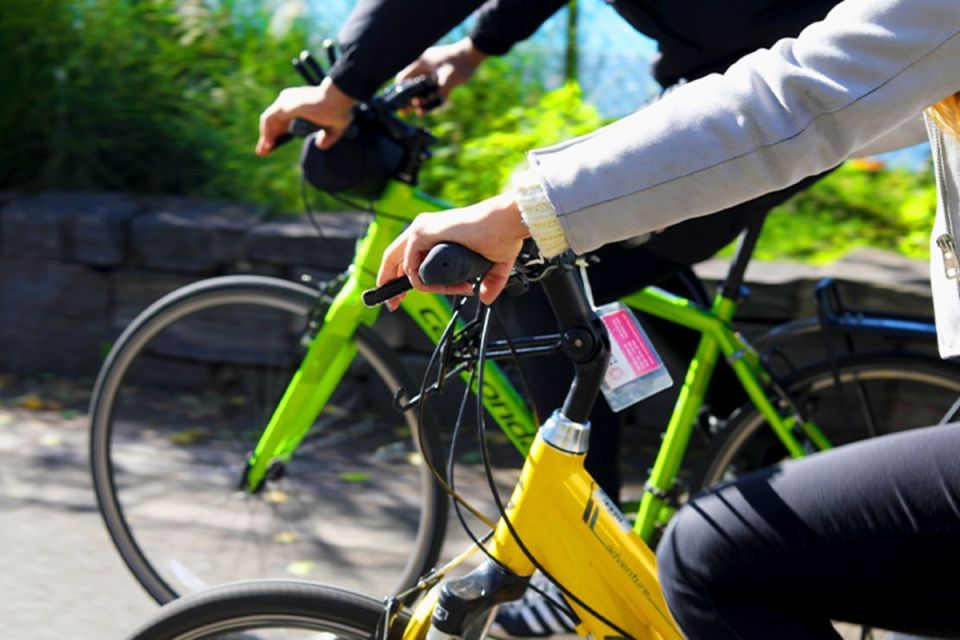
Santa Monica is where Route 66 traditionally ends, at the pier with its small amusement park. From there, a paved beach path runs south along the sand to Venice: rent a bike and ride it rather than walking. The Venice Beach boardwalk is loud and eccentric, with street performers, the outdoor gym at Muscle Beach and the skate park. A few blocks inland, the quiet Venice Canals are a surprise, lined with small bridges and gardens, and Abbot Kinney Boulevard has independent shops and restaurants.
The Pacific here is cold for much of the year and the morning marine layer can hide the sun until midday, especially in early summer. Plan beach time for the afternoon and bring a sweater for the evening. For hikes, surfing lessons and bike tours, look at our outdoor activities in Los Angeles.
Eastside neighborhoods and Pasadena
Silver Lake, Echo Park and Los Feliz are where many Angelenos actually spend their weekends: coffee shops, vintage stores, small music venues and walkable main streets. The Silver Lake Reservoir has a walking loop, and Echo Park Lake, with downtown's towers behind it, is one of the city's prettiest corners. Further northeast, Highland Park along York Boulevard and Figueroa Street has the same independent spirit.
Pasadena, at the foot of the San Gabriel Mountains, is worth half a day. Walk the historic streets of Old Pasadena, then visit the Norton Simon Museum or, in neighboring San Marino, The Huntington, a library, art collection and botanical gardens set in vast grounds.
What to eat
Los Angeles is one of the best food cities in the country, and much of the best of it is casual. Tacos from trucks and stands are everywhere, especially in East LA and Boyle Heights. Koreatown is the place for Korean barbecue and late-night dining. Thai Town in East Hollywood is home to one of the largest Thai communities outside Thailand, and the San Gabriel Valley east of downtown has some of the finest Chinese food in the United States. Farmers markets, held in many neighborhoods, show off California produce.
Practical tips
- Car or Metro: a car is still the most flexible way to get around, but Metro rail is useful for downtown, Hollywood, Pasadena and Santa Monica. Pay with a TAP card or the TAP app.
- Traffic: avoid crossing the city at rush hour. Group sights by area and allow plenty of time between them.
- Sun and layers: the sun is strong year-round, while evenings by the coast and in the hills are cool.
- Tickets and reservations: some museums and observatory events use timed entry. Opening days and hours vary, so check the official websites or Discover Los Angeles.
- Studio tours: if you want the movie side of LA, a working studio tour in Burbank or Universal City shows you far more than Hollywood Boulevard.
For guided options across the city, browse our tours in Los Angeles, or see what's on in Los Angeles this weekend. Visiting the East Coast too? Read our guide to New York at night.